April 17, 2026
A roofing project is a major investment that directly impacts your property’s protection, energy efficiency, and long-term value. Whether you are planning a full roof replacement, addressing storm damage, or scheduling routine maintenance, the way you collaborate with roofers can significantly influence the outcome. Clear communication, realistic expectations, and an understanding of the process all contribute to a smoother experience and better results.
Start With Clear Project Goals
Before reaching out to roofers, define what you want to accomplish. Are you dealing with an active leak, planning a full replacement, or upgrading materials for better durability? Establishing your priorities helps guide conversations and ensures the contractor can recommend the right solution.
For example, if your goal is long-term performance, you may explore options like metal roofing or EPDM systems. If you are focused on budget and curb appeal, asphalt shingles may be a better fit. Clear goals also help determine whether you need additional services such as gutter installation, roof ventilation services, or soffit and fascia repair.
Choose the Right Roofing Partner
Not all roofers offer the same level of expertise or service range. Look for a contractor with experience in both residential and commercial roofing, especially if your project involves specialized materials like flat roofing or metal systems.
A reliable contractor should offer a comprehensive set of services, including roof inspection services, leak detection services, storm damage repair, and roof maintenance services. This ensures continuity throughout the life of your roof and reduces the need to work with multiple vendors.
Ask about certifications, insurance, and past projects. A reputable roofing company will be transparent and willing to provide references.
Schedule a Thorough Inspection
A detailed inspection is the foundation of any successful roofing project. Professional roofers will assess not only the visible damage but also the underlying structural components such as the roof deck, ventilation system, and flashing.
This step is especially important for identifying hidden issues like moisture intrusion or compromised insulation. Services such as chimney flashing repair and skylight repair are often overlooked but can be critical to preventing leaks.
A thorough inspection also helps establish an accurate project scope, which minimizes surprises once work begins.
Understand the Scope of Work
Before signing any agreement, review the scope of work in detail. This should include:
- Materials being used, such as asphalt shingles, metal roofing, or EPDM
- Specific services, like roof tear-off, roof deck repair, or roof coating services
- Timeline for completion
- Cleanup and disposal plans
Clarity at this stage helps prevent misunderstandings and ensures both parties are aligned. If your project includes additional exterior upgrades like siding contractors or gutter repair, confirm how those elements will be integrated.
Maintain Open Communication
Consistent communication is one of the most important factors when working with roofers. Establish a primary point of contact and discuss how updates will be shared throughout the project.
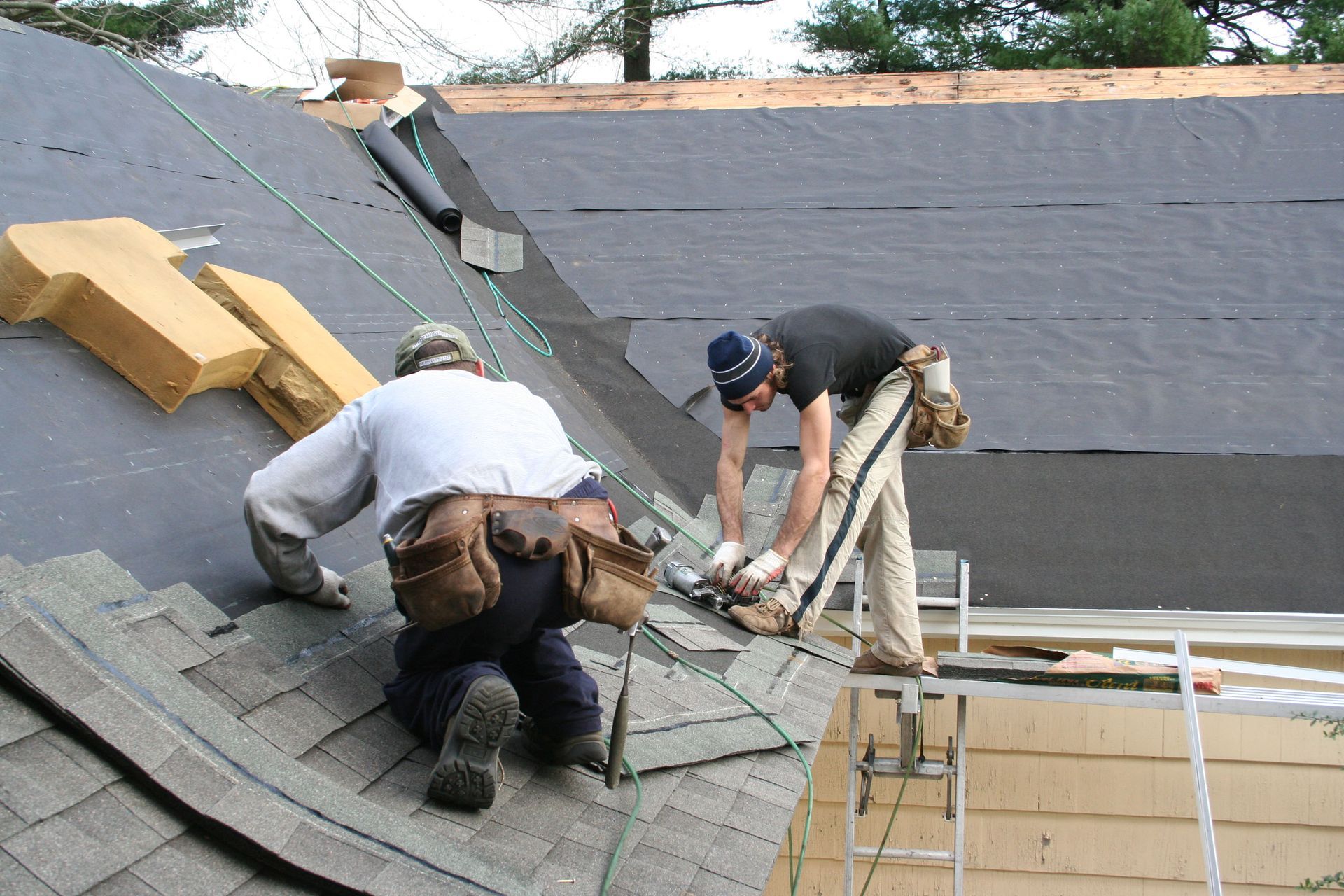
Regular check-ins allow you to stay informed about progress, weather delays, or unexpected findings. For example, if structural damage is discovered during a roof tear-off, your contractor should explain the issue and present solutions before proceeding.
Open communication also makes it easier to address concerns early, reducing the risk of costly changes later.
Prepare Your Property in Advance
A little preparation can go a long way in keeping your project on track. Before work begins:
- Clear vehicles from the driveway
- Remove fragile items from walls and shelves inside your home
- Secure outdoor furniture and landscaping features
- Inform neighbors about potential noise and activity
Roofing projects can be disruptive, especially during services like roof replacement or emergency roof repair. Preparing your property helps roofers work efficiently and minimizes inconvenience.
Be Realistic About Timelines
Weather conditions, material availability, and project complexity can all impact timelines. While experienced roofers will provide an estimated schedule, it is important to remain flexible.
For instance, storm damage repair or hail claim inspections may require additional coordination with insurance providers. Similarly, larger projects involving roof deck installation or flat roof installation may take longer than anticipated.
Setting realistic expectations up front helps reduce stress and keeps the project moving forward smoothly.
Understand Material Options and Lifespan
Choosing the right roofing material is a key decision that affects both performance and maintenance requirements. Each option offers distinct benefits:
- Asphalt shingles are cost-effective and widely used for residential roofing
- Metal roofing provides durability and energy efficiency
- EPDM is a popular choice for flat roof repair and installation due to its flexibility and longevity
According to Lifetime Flat Roofs, with the right materials and proper maintenance, flat roofing systems can last 25 to 50 years or longer. This highlights the importance of selecting materials that align with your long-term goals and environmental conditions.
Discuss these options with your contractor to determine the best fit for your property.
Stay Involved Without Micromanaging
While it is important to stay informed, avoid micromanaging the project. Trust the expertise of your contractor while remaining available for key decisions.
Check in periodically to review progress and ensure the work aligns with the agreed scope. If you have questions about specific services like gable vent installation or roof waterproofing, ask for clarification.
A balanced approach allows roofers to work efficiently while keeping you confident in the process.
Address Issues Promptly
Even with careful planning, unexpected issues can arise. Whether it is a scheduling delay or a concern about workmanship, address it as soon as possible.
Professional roofers appreciate clear and respectful communication. Bringing up concerns early allows for quick resolution and prevents minor issues from escalating.
This is especially important for critical services like leak detection services or emergency roof repair, where timing can significantly impact the outcome.
Review the Final Work Thoroughly
Once the project is complete, conduct a final walkthrough with your contractor. Review all aspects of the work, including:
- Roofing materials and installation quality
- Flashing around chimneys and skylights
- Gutters and drainage systems
- Cleanup and debris removal
Ensure that all agreed services, such as gutter cleaning, soffit repair, or roof maintenance services, have been completed to your satisfaction.
A thorough review helps confirm that the project meets your expectations and provides an opportunity to address any remaining concerns.
Establish a Maintenance Plan
A new or repaired roof is only as good as the care it receives over time. Work with your contractor to develop a maintenance plan that includes regular inspections and preventative services.
Routine maintenance may involve:
- Gutter repair and cleaning to prevent water buildup
- Roof inspection services to identify early signs of wear
- Minor repairs to flashing, vents, or shingles
Proactive maintenance extends the life of your roof and reduces the likelihood of costly repairs in the future.
Leverage Additional Services for Long-Term Value
Many roofing projects present an opportunity to improve other aspects of your property. Consider bundling services to maximize efficiency and value.
For example, combining roof replacement with roof ventilation services can enhance energy efficiency. Adding siding contractors or soffit and fascia installation can improve both appearance and structural integrity.
By taking a comprehensive approach, you can address multiple needs in a single project and avoid future disruptions.
Build a Long-Term Relationship
Working with experienced roofers is not just about completing a single project. Establishing a long-term relationship with a trusted contractor ensures you have a reliable partner for future needs.
From routine maintenance to emergency services, having a go-to roofing professional provides peace of mind. It also means your contractor is familiar with your property, which can lead to more efficient and effective service.
A successful roofing project depends on more than just materials and workmanship. It requires clear communication, thoughtful planning, and a collaborative approach between you and your contractor.
By setting clear goals, choosing the right professionals, and staying engaged throughout the process, you can ensure a smooth experience and lasting results. Whether you are addressing storm damage, upgrading your roof, or planning preventative maintenance, these tips will help you work effectively with roofers and protect your investment for years. Contact Simmons Roofing today to work with experts who deliver reliable solutions, clear communication, and lasting results for your roofing project.