October 19, 2026
Maintaining a property requires attention to the overhead structure, making local roof repair an essential service for home preservation. Weather, temperature shifts, and aging weaken protective barriers, resulting in leaks over time. Addressing minor defects early prevents major failures, protecting your financial investment and household comfort.
Assess Your Roof for Damage
Performing regular visual checks represents the primary defense against compounding structural roof problems. Homeowners can inspect outer rooflines from ground level using binoculars to identify uneven surfaces, cracked sealing, or misplaced components safely. Scanning dark attic spaces with a flashlight exposes hidden water intrusion before ceiling stains emerge. Documenting findings tracks ongoing deterioration.
Recognizing common indicators of wear ensures prompt intervention before minor flaws become major hazards. Curling shingle edges, missing granules, and debris inside drainage channels signal that surface coatings are degrading. Biological growth like moss traps moisture against materials, decaying structural decking underneath. Ceiling discoloration confirms active water penetration, demanding immediate local roof repair solutions.
Determining when to transition from self-inspections to professional help remains critical for safety. While basic surface checks are manageable for homeowners, major structural shifts, widespread sagging, or severe storm impacts require specialized diagnostic tools. Homeowners nationwide have access to qualified help; according to RubyHome, there are an estimated 131,980 roofers in the United States. Skilled technicians identify deep moisture pockets.
Select Quality Roofing Materials
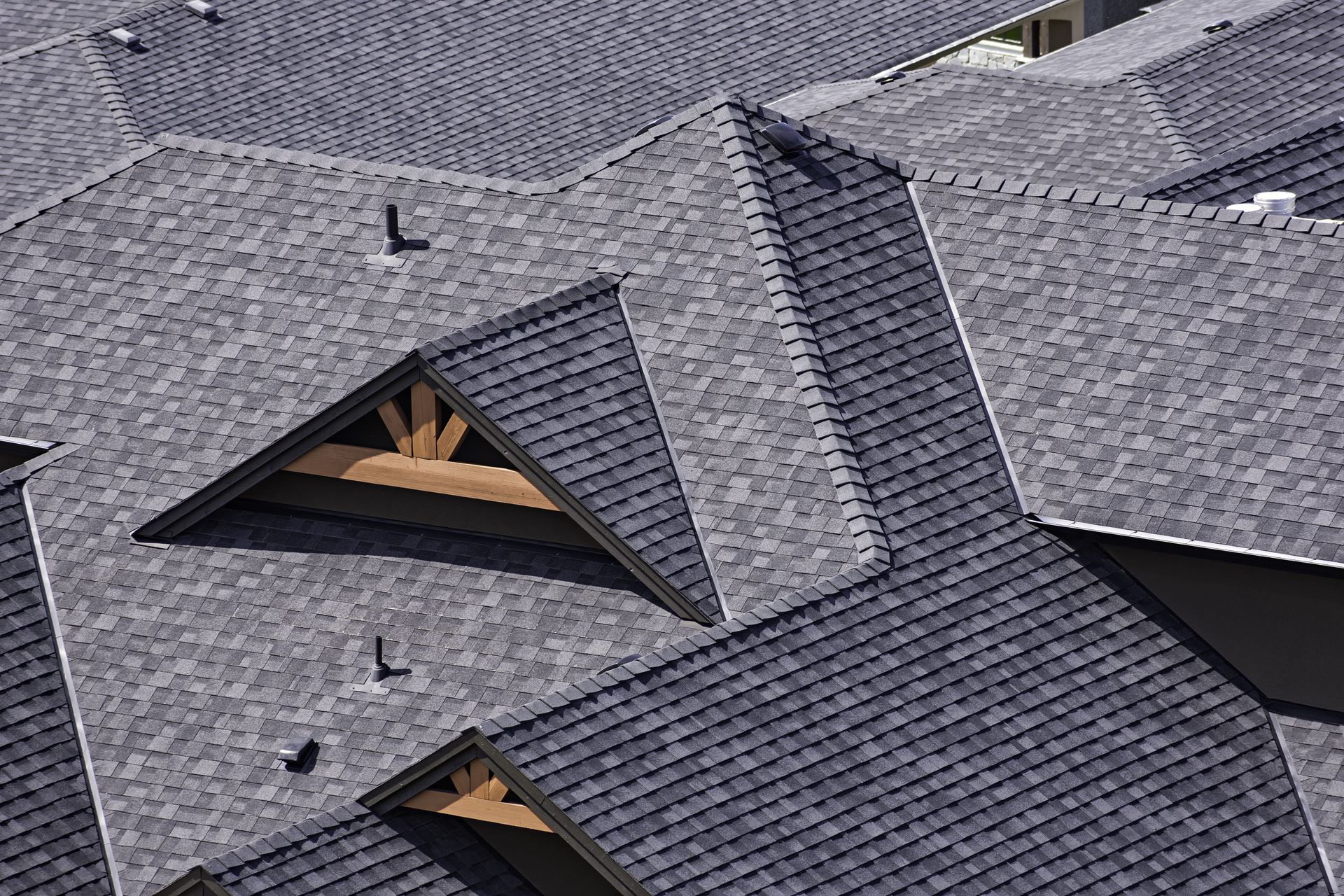
Selecting appropriate roofing materials requires balancing durability, visual appeal, and installation expenses. Standard asphalt shingles remain popular due to versatility and cost-effective application, whereas metal panel systems provide superior longevity and heat reflection. Slate or tile options deliver classic aesthetics alongside weather endurance in warmer climates, while composite shingles offer flexible design choices and reliable performance.
Evaluating upfront material expenses against expected service life provides clarity during replacement planning. Lower-cost choices often require more frequent maintenance or earlier replacement cycles compared to premium metal or tile installations. Investing in durable materials yields substantial long-term savings by minimizing recurring restoration expenses over time. Manufacturer warranty coverage provides additional financial security against unforeseen material defects.
Matching material characteristics with regional climate demands optimizes roof performance and building protection. Cold environments benefit from smooth metal roofs that easily shed heavy snow loads and resist ice dams. Warm regions thrive under reflective composite materials or heavy tiles that deflect solar heat, reducing cooling demands. Consulting specialists in local roof repair ensures material choices align perfectly with weather patterns.
Hire Dependable Roofing Contractors
Verifying credentials and licensing stands as a vital preliminary step when hiring a contractor for local roof repair. Credentialed contractors possess current state licenses confirming adherence to building codes and safety standards. Specialized manufacturer certifications indicate that installation crews have undergone thorough training for specific material applications. Checking credentials protects property owners from unqualified labor and substandard construction.
Gathering authentic feedback through customer reviews and personal recommendations helps filter reliable local contractors. Insights from neighbors, family members, or colleagues offer reliable accounts of a contractor's work ethic, timeliness, and communication transparency. Online review platforms highlight customer satisfaction, job site cleanliness, and post-installation support. Evaluating how contractors handle customer inquiries demonstrates ongoing commitment to service quality.
Reviewing detailed estimates and contract agreements ensures complete project transparency before physical work begins. Comprehensive proposals must outline material specifications, labor charges, project timelines, and debris removal procedures to eliminate unexpected costs. Unusually low bids frequently indicate low-quality materials or hidden charges added later. Verifying general liability and workers' compensation coverage safeguards property owners against accidental damage or injury claims.
Apply Proven Repair Techniques
Fixing water leaks rapidly prevents extensive structural decay and protects interior ceiling drywall. Technicians identify leaks by tracing internal moisture paths back to their origin point on the exterior roof membrane. Temporary sealants or emergency waterproofing membranes protect exposed areas until complete restoration occurs. Applying high-grade sealants around flashing joints forms a watertight barrier capable of withstanding heavy rainfall and standing moisture.
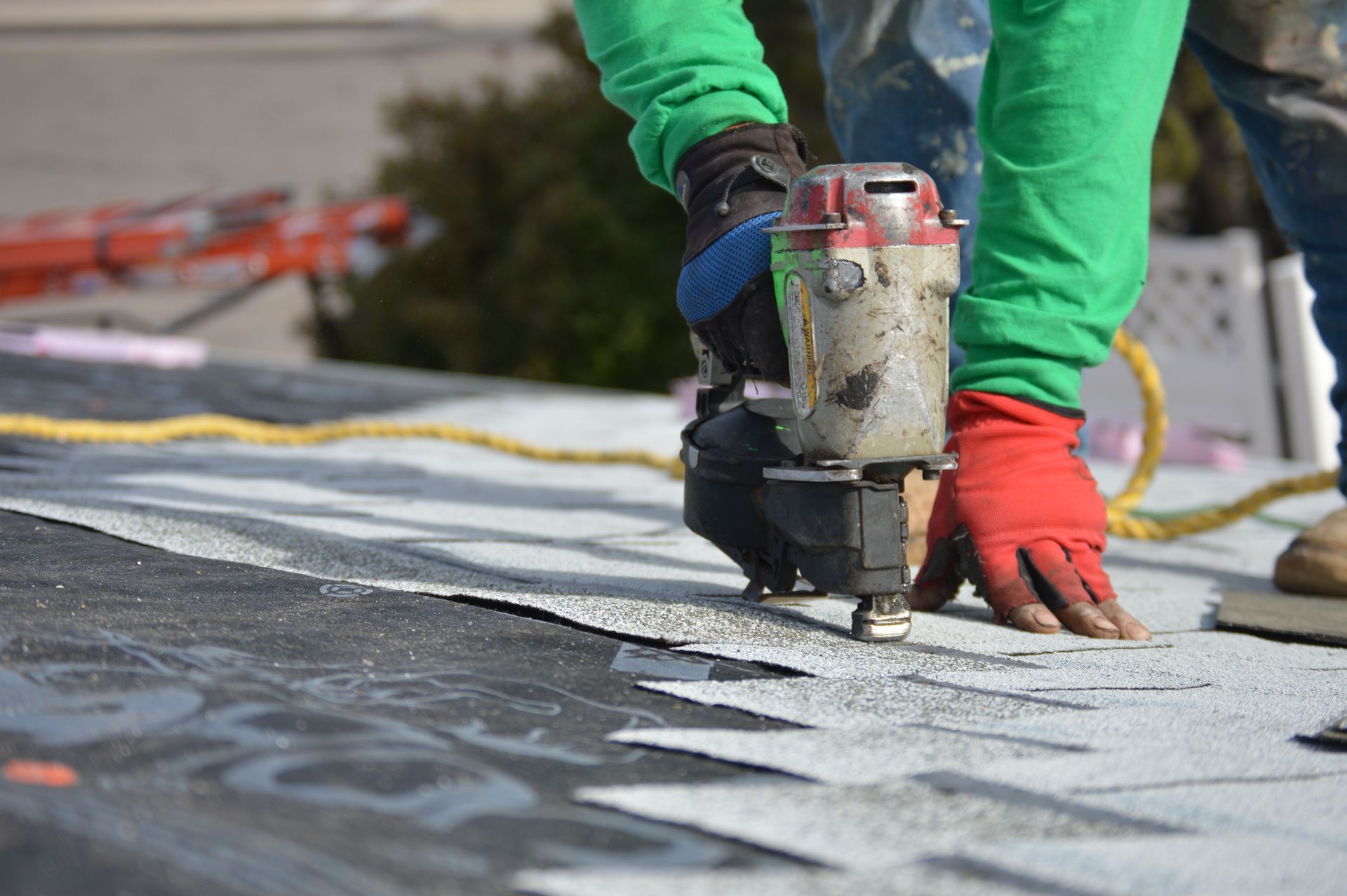
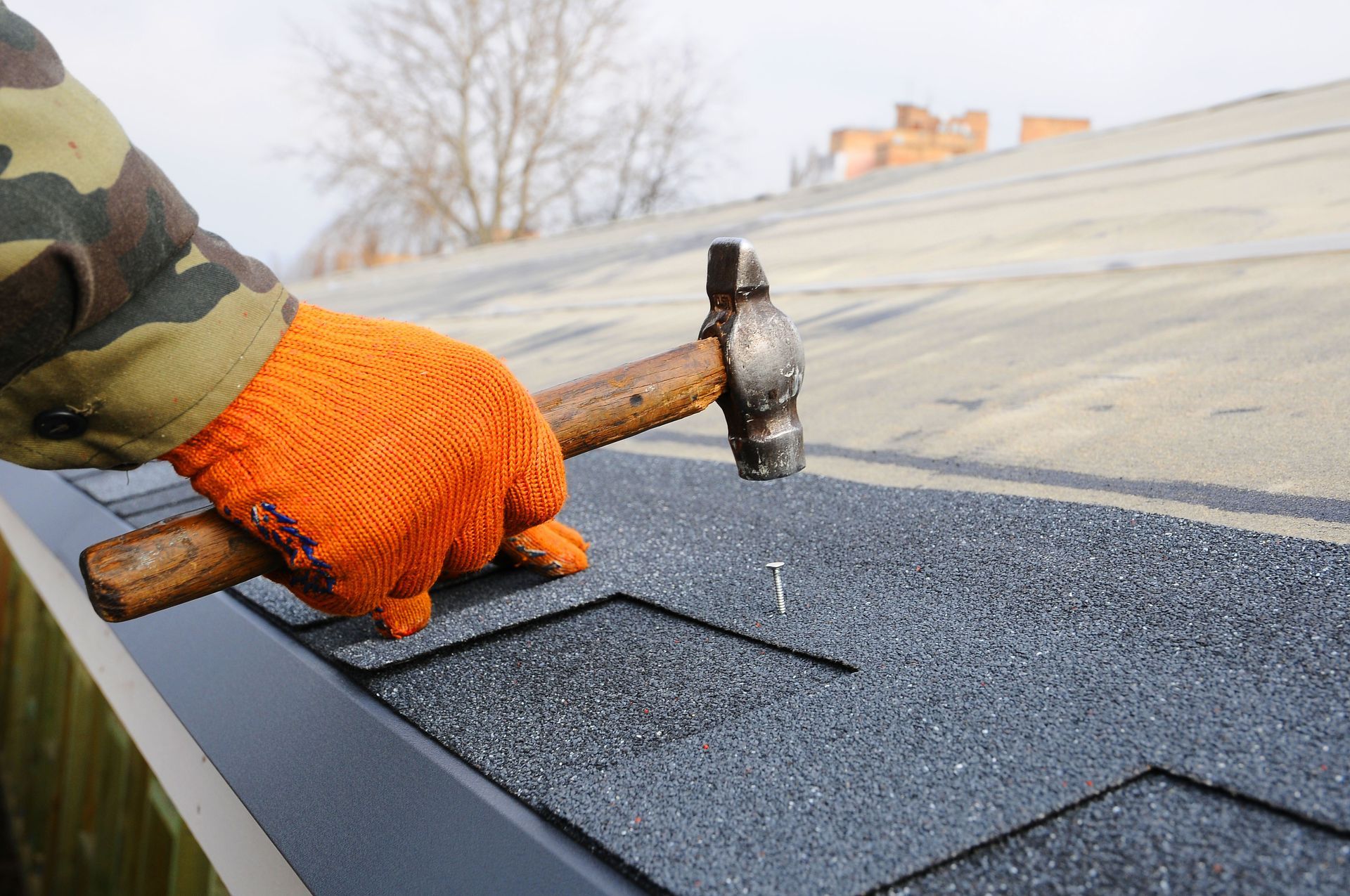
Replacing compromised shingles restores exterior defense layers and prevents water from penetrating underlayment materials. Local roof repair technicians carefully extract broken shingles, clear underlying debris, and weave replacement shingles into existing rows from bottom to top. Securing each shingle with approved fasteners ensures maximum wind resistance and uniform alignment. Performing targeted repairs keeps small isolated surface damage from expanding into widespread decay.
Maintaining clear drainage paths through clean gutters and properly fitted flashing protects the entire home. Clogged gutters trap standing water against roof edges, rotting fascia boards, and overflowing near building foundations. Installing protective gutter covers reduces debris accumulation while maintaining continuous rainwater flow away from the structure. Regularly inspecting metal flashing around chimneys, skylights, and vent pipes ensures durable weatherproofing.
Maintain Your Roof Consistently
Establishing a routine maintenance schedule extends total roof service life and keeps restoration costs manageable. Conducting seasonal checkups enables property owners to identify minor wear before harsh weather causes structural damage. Trimming overhanging tree limbs eliminates falling branch hazards and minimizes excessive shade that encourages organic growth. Documenting maintenance activities creates a helpful service record that supports future warranty claims and home valuation.
Adjusting maintenance tasks for seasonal weather changes keeps protective barriers functioning effectively year-round. Spring maintenance focuses on assessing winter ice dam impacts, checking fastener security, and inspecting sealant integrity across valleys. Autumn care prioritizes clearing fallen leaves and organic debris from gutters before freezing temperatures arrive. Consistent seasonal attention preserves structural components and prevents sudden structural failures through proactive local roof repair.
Ensuring proper attic ventilation plays a critical role in preserving roofing components from beneath. Balanced intake and exhaust vents equalize attic temperature and humidity levels, preventing condensation accumulation. Proper airflow prevents hot summer air from deteriorating shingles prematurely and stops winter ice dams from forming along eave edges. Inspecting vent pathways regularly guarantees uninterrupted air movement, protecting the roof structure.
Manage Unexpected Roofing Emergencies
Responding promptly to unexpected storm damage or sudden roof leaks prevents interior property destruction. Property owners should prioritize personal safety, assessing exterior conditions from ground level before attempting temporary protective measures. Placing heavy tarps over exposed roof sections halts immediate water intrusion until professional emergency crews arrive on site. Keeping emergency contact numbers ready speeds up response times during severe weather events.
Navigating property insurance claims effectively requires thorough documentation and prompt report filing with your carrier. Photographing and filming damaged areas immediately following a storm provides necessary proof for claims adjusters. Detailed estimates from certified local roof repair specialists ensure claim payouts cover actual restoration expenses accurately. Reviewing policy limits and deductible terms helps property owners manage financial expectations during claim processing.
Deciding whether spot restoration or full roof replacement is necessary depends on structural age and damage extent. Widespread water leaks, sagging roof decking, or recurring failures often indicate that full replacement offers greater financial value than constant patching. Consulting experienced technicians provides objective guidance on whether targeted repairs or total replacement best protects your investment. Setting aside emergency maintenance funds ensures immediate readiness when unexpected repairs arise.
Maintaining a strong roof requires dedicated care, reliable materials, and knowledgeable guidance at every stage of ownership. When seeking reliable local roof repair services for your home, rely on our team for superior workmanship and dependable care. Reach out to us at Simmons Roofing today to schedule your complete roof inspection and let us protect your home for years to come.